Inspect before choosing a colour
Paint, film and coatings cannot turn an unsound surface into a sound one. Start by recording chips, corrosion, peeling clear coat, previous repairs and loose trim. A colour-change film can follow existing defects rather than hide them. Removing it later can expose weak paint or lift poorly bonded repairs.
Ask an installer to assess the substrate before quoting a finished result. Paint thickness readings can help inform an assessment, but they do not reveal every repair or establish that removal will be risk-free. Keep photographs and agree which existing defects are included in the work. Preparation is part of the finish, not an optional extra.
Choose the job, then the material
A repaint is a refinishing process. It can include repair and a lasting colour change, but quality depends heavily on preparation, materials, booth conditions and workmanship. Ask which panels, edges, shuts and removable parts are included. A price for visible exterior panels is not the same scope as a full colour conversion.
A colour-change wrap is an applied film, often chosen for visual flexibility. Paint protection film is designed primarily as a sacrificial protective layer, although some products also change colour or sheen. Their functions overlap in some products but should not be assumed identical. A ceramic coating is a different category again: it may aid cleaning and surface behaviour, but it is not a substitute for impact protection.
| Route | Main purpose | Question to ask |
|---|---|---|
| Repaint | Refinish the body surface | What repair and edge coverage are included? |
| Colour-change wrap | Change visible colour or texture | Is the existing paint suitable for application and removal? |
| Protective film | Add a sacrificial barrier | Which areas and edges will be covered? |
| Coating | Modify surface behaviour and aid care | What preparation and maintenance are required? |
Test the finish against real conditions
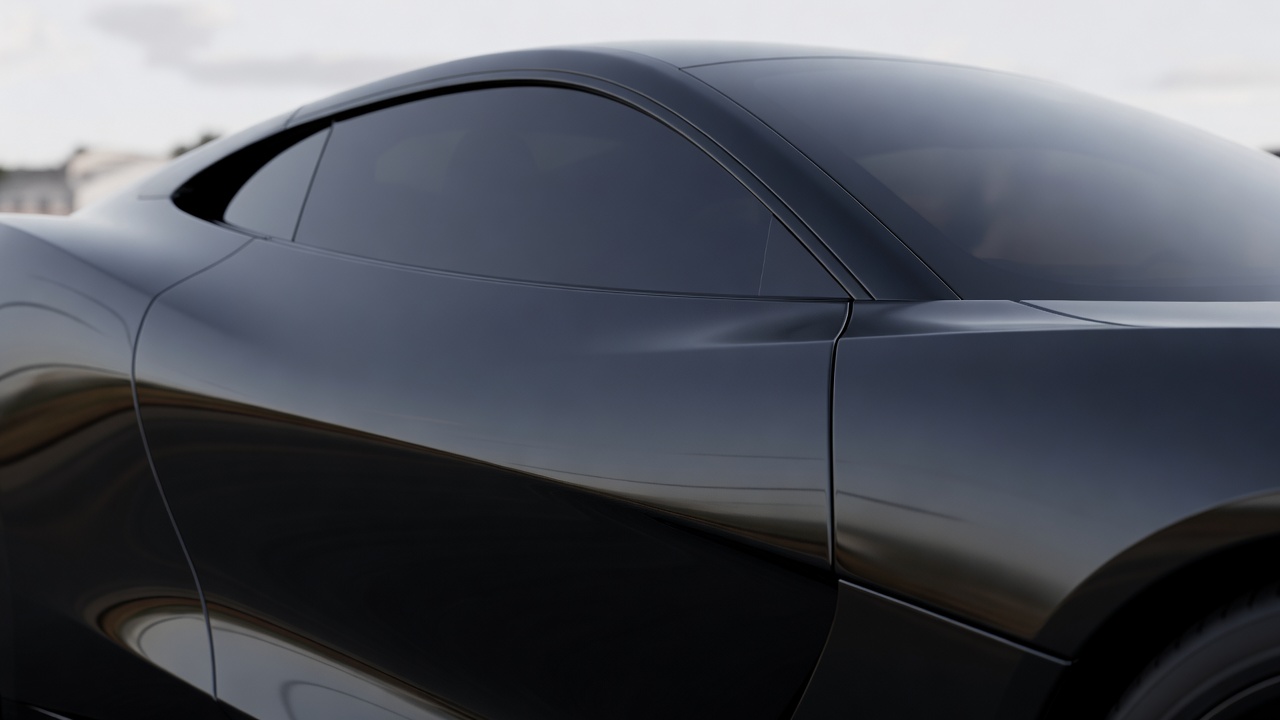
Gloss creates strong reflections that can emphasise body contours and surface defects. Satin reduces sharp reflections while retaining some sheen. Matte finishes diffuse more light, but contamination, rubbing or incorrect polishing can create uneven glossy patches. Choose a finish because you like living with it, not because it appears easier to maintain in photographs.
Metallic and pearlescent effects can shift significantly with lighting and viewing angle. Compare a physical sample beside the car’s glass, lamps, wheel finish and trim. A sample from 3M or Avery Dennison should be identified by its actual product and colour reference, not just a social-media description. Brand examples here are reference points, not endorsements or evidence of testing.
Agree on installation and repair
Discuss seams, edges, door shuts, badges, handles and sensor areas before work begins. Some shapes require joins or visible compromises. Ask how the installer avoids cutting into paint and how removed trim will be refitted. A wrap should not casually cover cameras, radar areas, lamps or required identifiers.
For repainting, ask about colour matching and the likely approach to future panel repair. For film, ask whether a damaged panel can be replaced and whether batch or ageing differences may remain visible. There is no universal lifespan: exposure, storage, product specification, surface orientation and care all affect the result.
Installation note: curing and first care
Get written instructions for the actual system used. Paint, film and coatings have different handling, curing and washing requirements. Do not apply a generic waiting period from another product. Report lifting edges or surface defects promptly rather than repeatedly pressing or heating them yourself.
Budget for the end as well as the beginning
The installed price is only part of ownership. Include suitable cleaning products, periodic inspection, local repairs and eventual removal or refinishing. A film described as removable is not a guarantee that every underlying paint surface will survive removal unchanged. Ask who carries out removal, how it is priced and what happens if weak paint is discovered.
Check whether a colour change must be reported to the relevant registration authority and insurer. Rules differ by location, and a cosmetic change does not make other modifications compliant. Keep the product reference, installer invoice and care instructions together. That record helps you maintain the finish and explain it accurately when the car changes hands.
- Substrate assessed and existing defects recorded.
- Physical colour and sheen sample approved.
- Coverage, exclusions and repair approach agreed.
- Maintenance and eventual removal costs considered.